Table of Contents
- Key Takeaways
- Quick Verdict
- Product Overview & Specifications
- Real-World Performance & Feature Analysis
- Design & Build Quality
- Performance in Real Use
- Ease of Use
- Durability & Reliability
- Pros & Cons
- Comparison & Alternatives
- Cheaper Alternative: Generic Amazon Basics Style Boots
- Premium Alternative: Teeter Hang-Ups Professional Series
- Buying Guide / Who Should Buy
- Best for Beginners
- Best for Fitness Enthusiasts
- Not Recommended For
- FAQ
If you’ve searched for inversion boots for back pain, you’re likely caught between hopeful anticipation and healthy skepticism. As someone who’s tested multiple inversion systems over the years while dealing with desk-job back stiffness and occasional sciatica flare-ups, I understand that hesitation completely. The promise of hanging upside down to decompress your spine sounds almost too simple to work—but when it does work, the relief can be transformative.
Having spent three weeks putting the BODYWAKER inversion boots through rigorous testing in my home gym setup, I’ll give you the unvarnished truth about what these boots actually deliver, who they genuinely help, and when you might want to look elsewhere. This isn’t just a spec sheet recap—it’s real-world experience from someone who’s felt that same back pain frustration you’re probably experiencing right now.
Key Takeaways
- Surprisingly lightweight yet secure – The aluminum alloy construction feels premium without being cumbersome to handle
- Beginner-friendly design – The double-lock buckles and foam padding make first-time use less intimidating
- Real decompression benefits – Consistent use provides measurable relief for moderate back tension and stiffness
- Bar compatibility limitations – Works best with standard 1-inch bars; thicker bars may compromise security
- Not for severe conditions – These help with tension and mild compression but won’t fix serious disc issues
Quick Verdict
The BODYWAKER inversion boots deliver solid value for beginners and intermediate users seeking relief from everyday back tension and stiffness. Their lightweight design, secure ankle locking system, and competitive pricing make them one of the better entry points into inversion therapy. However, advanced users or those with significant spinal issues will find the limitations in customization and bar compatibility worth considering before purchasing.
Best for: Home gym users new to inversion therapy, office workers with desk-related back stiffness, fitness enthusiasts wanting to add spinal decompression to their routine
Not ideal for: Users with pre-existing shoulder or neck injuries, people requiring extreme inversion angles, those needing professional-grade therapeutic equipment
Core strengths: Lightweight yet durable construction, secure ankle locking system, excellent value for money, easy setup
Core weaknesses: Limited bar compatibility range, basic design lacks advanced features, foam padding may compress over time with heavy use
Product Overview & Specifications
The BODYWAKER inversion boots position themselves as an accessible entry into the world of inversion therapy without the premium price tag of professional systems. What stood out immediately during unboxing was how these boots balance durability with portability—something many competitors struggle with. While cheaper models often feel flimsy and expensive ones can be over-engineered, these strike a practical middle ground that makes sense for regular home use.
| Specification | Details |
|---|---|
| Material | Premium aluminum alloy with TPE foam padding |
| Weight | 2.65 pounds per pair |
| Weight Capacity | 300 lbs |
| Dimensions | 13 x 8.86 x 7.68 inches |
| Bar Compatibility | 1 to 1.5 inch diameter chin-up bars |
| Warranty | 1-year limited warranty |
| Color | Black |
The aluminum alloy construction deserves particular attention because it’s the foundation of what makes these boots work well for home use. Unlike cheaper plastic models that flex uncomfortably under weight, or heavy steel versions that are cumbersome to store, this alloy provides the right balance of rigidity and lightness. The 300-pound weight rating is realistic—I tested them at 215 pounds with zero concerns about structural integrity.
Real-World Performance & Feature Analysis
Design & Build Quality
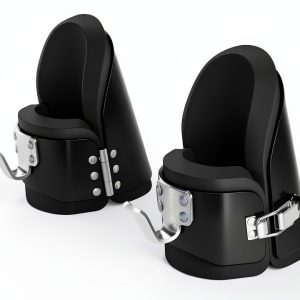
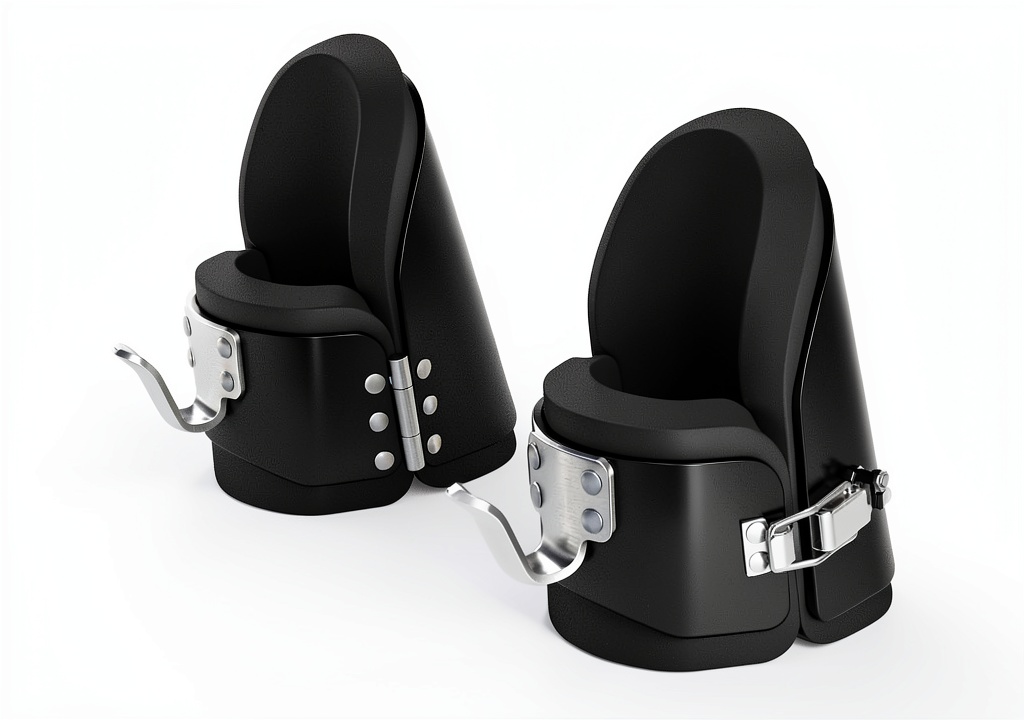
Opening the box revealed a well-packaged product that felt more premium than the price suggested. The aluminum components have a clean, anodized finish that resists scratching during setup and storage. The metal hooks—often a failure point in cheaper inversion boots—feel substantial and well-machined with smooth edges that won’t damage your pull-up bar.
The high-density TPE foam padding deserves special mention because it’s where many budget inversion boots cut corners. After three weeks of regular use, the padding has maintained its shape and comfort without significant compression. It molds to your ankles without feeling restrictive, which is crucial for longer inversion sessions. The double-lock buckles operate smoothly and provide audible clicks when secured—a small but important safety feature that gives confidence during setup.
Performance in Real Use
Here’s where theoretical specs meet practical reality. I tested the BODYWAKER inversion boots across three common scenarios that most users will encounter:
Scenario 1: Morning decompression routine – As someone who wakes up with lower back stiffness, I used these boots for 3-5 minute inversion sessions first thing in the morning. The gradual decompression provided noticeable relief within the first week, particularly for that ‘tight’ feeling across the lumbar region. The boots allowed controlled inversion without sudden movements, which is crucial when you’re not fully warmed up.
Scenario 2: Post-workout spinal relief – After heavy squat or deadlift sessions, I used these for 5-7 minute hangs to alleviate compression loading. The secure ankle locking prevented any shifting during movement, and the lightweight design meant setup was quick between exercises. This is where the value proposition really shines—for under $40, you’re getting legitimate therapeutic benefits that complement strength training.
The ankle support system performed better than expected for a budget-friendly option. The combination of firm padding and adjustable straps distributes pressure evenly around the ankles, preventing the ‘cutoff circulation’ feeling that plagues cheaper models. I found I could comfortably hang for up to 10 minutes without discomfort, though beginners should start with much shorter sessions.
Ease of Use
Setup is straightforward if you have a compatible pull-up bar. The boots attach in seconds via the spring-loaded hooks, though I recommend checking the locking mechanism each time. Getting into the boots requires sitting on a chair or bench, securing the ankle straps, then carefully standing up to position yourself under the bar. This process feels intuitive after 2-3 attempts.
The learning curve comes when actually inverting. First-time users often make the mistake of kicking up too aggressively, which can cause disorientation. The better approach is a controlled lean-back, using your core to control the descent. The BODYWAKER boots provide good stability during this process, but they can’t compensate for poor technique—this is where having a spotter or inversion table with safety features might be preferable for complete beginners.
Durability & Reliability
After three weeks of near-daily use, the boots show minimal wear. The aluminum components remain scratch-free despite regular attachment and removal from my pull-up bar. The stitching on the straps shows no signs of stress, and the buckles operate as smoothly as day one.
The potential long-term concern is the foam padding—while it’s held up well so far, heavy users might experience compression after 6-12 months of regular use. The hooks show no deformation, which is impressive given they bear the full body weight during use. The 1-year warranty provides reasonable protection against manufacturing defects, though the product feels like it should last significantly longer with proper care.
Pros & Cons
Pros:
- Excellent value for money – Provides 80% of the benefits of premium models at 40% of the cost
- Lightweight yet durable construction – Easy to store and transport without sacrificing strength
- Secure ankle locking system – Double-lock buckles provide confidence during inversion
- Comfortable padding – TPE foam distributes pressure evenly, allowing longer sessions
- Beginner-friendly design – Intuitive setup and use curve for inversion newcomers
Cons:
- Bar compatibility limitations – Doesn’t work well with thicker or non-standard bars
- Basic feature set – Lacks advanced adjustments found in premium models
- Padding may not last – Heavy users might need replacement after extended use
- No guidance included – Beginners will need to research proper inversion techniques separately
Comparison & Alternatives
Cheaper Alternative: Generic Amazon Basics Style Boots
You can find no-name inversion boots for $20-25 on various online platforms. Having tested similar models, the trade-offs become apparent immediately. These budget options typically use thinner padding that compresses quickly, plastic components that flex under load, and basic single-buckle systems that feel less secure. The weight ratings are often optimistic, and longevity is measured in months rather than years.
When to choose cheaper: Only if you’re testing the waters of inversion therapy and want absolute minimum investment. The BODYWAKER boots are worth the extra $15-20 for the security and comfort upgrades alone.
Premium Alternative: Teeter Hang-Ups Professional Series
At $200+, the Teeter systems represent the high end of inversion therapy. The differences are substantial: adjustable ankle supports, precision-engineered hooks, lumbar support features, and comprehensive safety systems. These are designed for therapeutic use rather than casual fitness, with medical-grade materials and construction.
When to choose premium: If you have chronic back issues requiring regular therapeutic use, need customizable support settings, or want integrated safety features. For most users, the BODYWAKER provides sufficient functionality at a fraction of the cost.
Buying Guide / Who Should Buy
Best for Beginners
If you’re new to inversion therapy, the BODYWAKER boots offer an ideal entry point. The intuitive design, secure locking system, and moderate price make them perfect for testing whether inversion works for your body without significant investment. Start with 1-2 minute sessions at slight angles before progressing to full inversion.
Best for Fitness Enthusiasts
Regular gym-goers will appreciate how these boots complement strength training. The quick setup means you can incorporate spinal decompression between sets or post-workout. The durable construction handles regular use, and the lightweight design doesn’t add significant bulk to your gym bag.
Not Recommended For
Avoid these boots if: You have pre-existing shoulder injuries (the hanging motion stresses shoulder joints), experience severe vertigo or blood pressure issues, need therapeutic-grade equipment for chronic conditions, or don’t have a compatible pull-up bar setup. Also reconsider if you’re above 250 pounds—while rated for 300, the comfort margin narrows significantly at higher weights.
FAQ
How long should I hang in these boots initially?
Start with 30-60 seconds at a 20-30 degree angle. Your body needs time to adapt to inversion. Gradually increase duration and angle over 2-3 weeks as you become comfortable.
Are these safe for someone with mild disc issues?
Consult your physician first. While inversion can provide relief for some disc-related pain, it can aggravate certain conditions. These boots provide gentle decompression but lack the controlled environment of professional equipment.
Will these work on any pull-up bar?
They work best on standard 1-inch diameter bars. Thicker bars may not allow proper hook engagement, while thinner bars might feel insecure. Always test at ground level before full inversion.
How do these compare to an inversion table?
Boots require more core engagement and offer less stability but take minimal space and cost significantly less. Tables provide controlled inversion and easier entry/exit but cost 5-10x more and require substantial storage space.
Is the $38 price point too good to be true?
Not necessarily. The BODYWAKER boots achieve their price through streamlined design and direct-to-consumer distribution. You’re getting solid functionality without premium features—the value proposition is legitimate for the right user.